 EN
EN
.png)
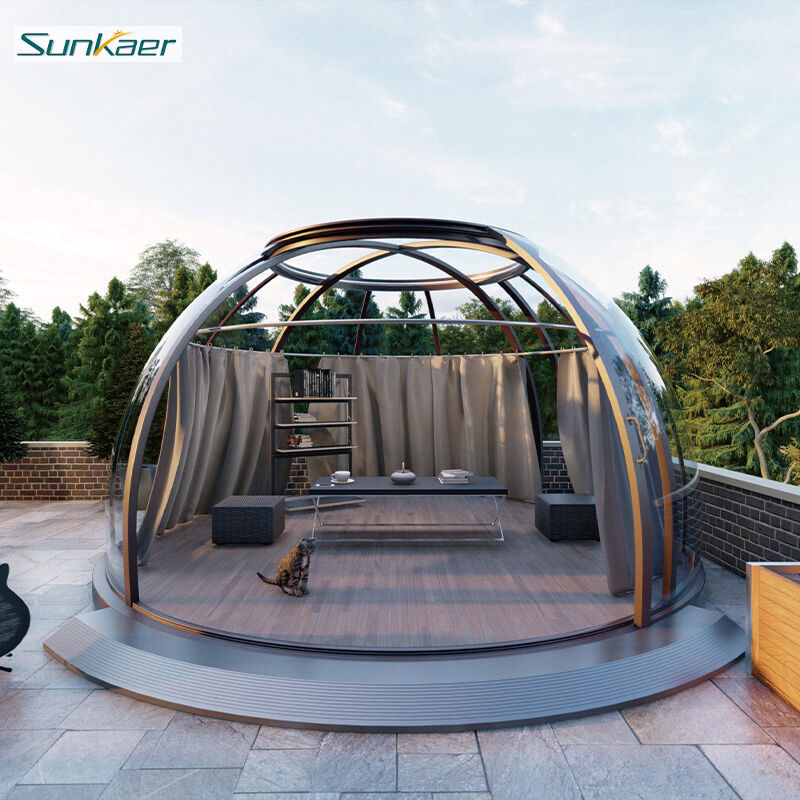
When choosing between a dome house and a traditional cabin for glamping resorts, eco-retreats, off-grid living, or backyard accommodations, durability and energy efficiency are often the most important considerations. While traditional cabins offer a familiar appearance, modern dome house designs are increasingly preferred for their superior weather resistance, lower maintenance requirements, and long-term energy savings.
A modern bubble house built with polycarbonate panels and aluminum framing offers a different approach to outdoor living and accommodation. Compared to conventional wooden cabins, these structures are lighter, stronger, easier to install, and better equipped to withstand challenging environmental conditions.
This article compares a polycarbonate dome vs cabin across key performance categories to help homeowners, developers, and hospitality operators make a more informed investment decision.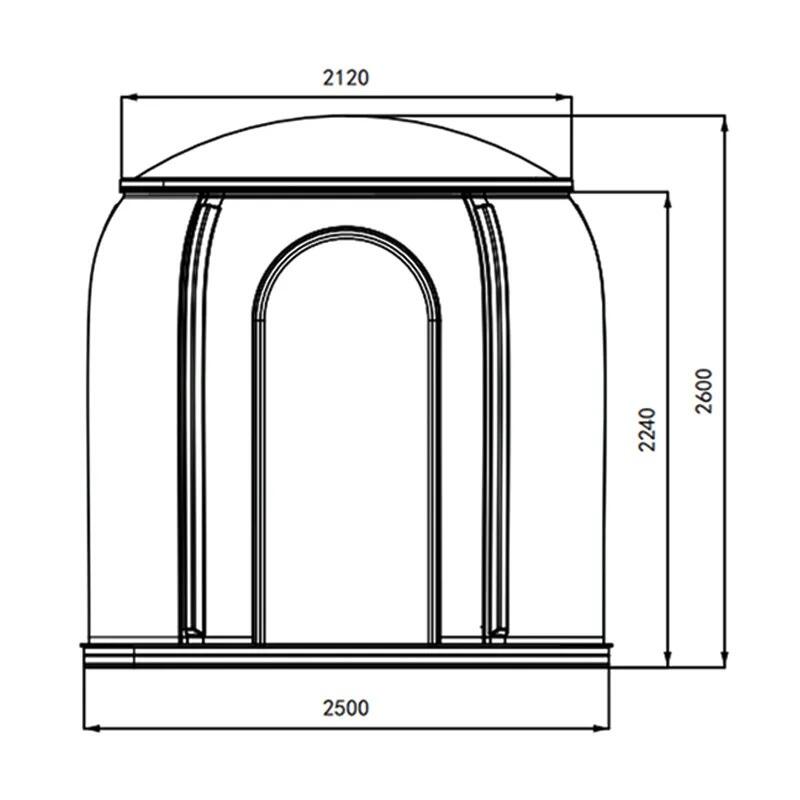
Structural Design and the Physics of Durability
How the Geometry of a Dome House Resists Environmental Stress
The unique curved shape of a dome house is more than an architectural feature—it is an engineering advantage.
Unlike rectangular cabins that concentrate structural stress at corners and roof connections, a dome distributes wind, snow, and impact loads evenly across the entire structure. This creates a durable dome home capable of performing exceptionally well in challenging climates.
High winds flow around the curved surface rather than pushing directly against flat walls. Heavy snow naturally slides from the roof instead of accumulating in dangerous quantities. This reduces structural stress and minimizes maintenance requirements throughout the year.
Modern Sunkaer dome house systems combine aerodynamic geometry with high-strength polycarbonate panels and corrosion-resistant aluminum framing to create reliable all-weather performance for residential and commercial applications.
Where Traditional Cabins Face Durability Limitations
Traditional cabins are commonly constructed using wood framing, roofing shingles, insulation materials, and drywall finishes. While attractive, these materials require regular maintenance and are vulnerable to a variety of environmental challenges.
Moisture can lead to rot, mold, and structural deterioration. Wood is susceptible to insect damage, including termites and other pests. Exterior surfaces often require repainting, staining, or sealing to maintain appearance and weather resistance.
In comparison, a polycarbonate dome house eliminates many of these vulnerabilities. Polycarbonate panels resist moisture, corrosion, hail, and impact damage while aluminum framing remains rust-resistant for decades.
Sunkaer polycarbonate panels are backed by a 10-year warranty against yellowing and aging, while the aluminum frame system includes a 30-year warranty against rusting and deformation. Traditional cabins rarely offer comparable long-term guarantees.
Energy Efficiency: Geometry, Insulation, and Thermal Behavior
Why the Shape of a Dome House Reduces Energy Consumption
One of the biggest advantages of an energy-efficient dome is its shape.
The spherical geometry creates a highly favorable surface-area-to-volume ratio, allowing the structure to retain heat more effectively during winter and stay cooler during summer. Because less exterior surface area is exposed relative to interior volume, heating and cooling demands are naturally reduced.
Studies and real-world applications have shown that dome structures can reduce energy consumption by approximately 30% to 50% compared to traditional cabins of similar size.
This makes the dome house particularly attractive for off-grid living, eco-tourism developments, glamping resorts, and homeowners seeking lower utility costs.
In addition, natural air circulation within the curved interior promotes more even temperature distribution, reducing hot and cold spots throughout the living space.
Insulation Options and Thermal Performance Compared
The choice of building materials also plays a major role in energy efficiency.
Modern dome house systems utilize multi-layer polycarbonate panels that provide excellent thermal insulation while allowing abundant natural daylight to enter the structure. Unlike standard glass, polycarbonate offers superior insulation performance and impact resistance.
Traditional cabins typically rely on insulation batts, drywall, vapor barriers, and multiple construction layers to achieve acceptable thermal performance. While effective when properly installed, these systems create additional construction complexity and maintenance requirements.
When comparing a polycarbonate dome vs cabin, the combination of geometric efficiency and advanced panel insulation often allows dome houses to outperform conventional structures in overall energy efficiency.
Weather Resistance Across Different Climate Zones
Dome House Performance in Harsh and Extreme Environments
A dome house is designed to withstand a wide range of environmental conditions.
Polycarbonate panels provide exceptional resistance to hail, strong winds, heavy rain, and snow loads. Unlike conventional roofing materials, polycarbonate is highly impact resistant and less likely to crack or fail under extreme weather conditions.
The seamless curved profile minimizes areas where water can accumulate, reducing the risk of leaks and moisture-related damage. Combined with rust-resistant aluminum framing, this creates a highly reliable structure suitable for coastal regions, mountain environments, deserts, and snowy climates.
For glamping operators and resort developers, this resilience translates directly into lower maintenance costs and fewer weather-related disruptions.
Traditional Cabin Resilience and Its Real-World Constraints
Traditional cabins can perform well when properly maintained, but they require ongoing attention to preserve their structural integrity.
Roof shingles may require replacement. Exterior wood surfaces need periodic treatment and repainting. Moisture intrusion can cause long-term damage if not addressed quickly.
In climates with frequent storms, heavy snowfall, or high humidity, maintenance costs can accumulate significantly over time.
A durable dome home avoids many of these challenges by relying on weather-resistant materials specifically engineered for long-term outdoor exposure.
Long-Term Cost Implications for Developers and Owners
Initial Investment vs. Lifecycle Cost for a Dome House
While many buyers assume a dome house is more expensive, modern prefabricated systems often provide significant cost advantages.
Sunkaer dome house kits are lightweight, modular, and designed for rapid assembly. Installation can often be completed in hours or days rather than the weeks required for traditional cabin construction.
Because the system requires fewer building materials, less labor, and reduced site preparation, initial project costs can be highly competitive.
When combined with lower utility expenses and reduced maintenance requirements, the total cost of ownership becomes particularly attractive over the long term.
Maintenance Burden and Operational Sustainability
Maintenance is one of the most significant differences between a dome house and a traditional cabin.
A dome house typically requires only occasional cleaning of the panels and routine inspections of structural components. There is no need for painting, staining, wood treatment, termite control, or frequent roof repairs.
Traditional cabins, by contrast, demand ongoing maintenance investments to preserve both appearance and structural performance.
For resort operators managing multiple units, these maintenance savings can become substantial over time.
Aesthetics, Natural Light, and Living Experience
Dome House Panoramic Views and Open Living
Beyond durability and efficiency, dome houses offer a unique living experience.
Large transparent polycarbonate panels create 360-degree panoramic views of the surrounding environment while maximizing natural daylight. This connection with nature is one of the primary reasons dome accommodations have become so popular in the glamping and eco-tourism industries.
The open interior layout also creates a greater sense of spaciousness compared to many conventional cabin designs.
Traditional Cabin Atmosphere and Limitations
Traditional cabins offer a cozy and familiar aesthetic that many people appreciate. However, smaller windows and enclosed layouts can limit natural light and reduce visibility of the surrounding landscape.
For buyers seeking immersive outdoor experiences, a bubble house often provides a more engaging and visually dramatic alternative.
FAQ
Is a dome house stronger than a traditional cabin?
Yes. The curved geometry of a dome house distributes structural loads more evenly, helping it resist strong winds, snow accumulation, and impact damage more effectively than many conventional cabin designs.
How much energy can a dome house save?
An energy-efficient dome can reduce heating and cooling costs by approximately 30% to 50% compared to a traditional cabin of similar size, depending on climate and insulation specifications.
How long does a polycarbonate dome house last?
High-quality polycarbonate dome houses can provide decades of reliable service. Sunkaer panels include a 10-year warranty against yellowing and aging, while the aluminum frame system carries a 30-year warranty against rusting and deformation.
Does a dome house require less maintenance than a cabin?
Yes. Dome houses require minimal maintenance compared to wooden cabins, which often need regular painting, sealing, termite protection, and roof repairs.
Ready to Explore Dome House Options?
If you're looking for a durable dome home that combines energy efficiency, weather resistance, panoramic views, and low maintenance, a modern Sunkaer dome house may be the ideal solution.
Contact Sunkaer today for a personalized dome house quote, size recommendations, and expert guidance on selecting the right model for your project.
Table of Contents
- Structural Design and the Physics of Durability
- Energy Efficiency: Geometry, Insulation, and Thermal Behavior
- Weather Resistance Across Different Climate Zones
- Long-Term Cost Implications for Developers and Owners
- Aesthetics, Natural Light, and Living Experience
- FAQ
- Ready to Explore Dome House Options?