 EN
EN
.png)
Comparing Modern Glamping Structures and Traditional Outdoor Accommodation
The growth of outdoor hospitality has changed the way travelers experience nature. Today’s guests are no longer looking only for basic accommodation in the wilderness. They increasingly expect comfort, unique design, privacy, and memorable experiences while staying close to natural surroundings. This shift has encouraged many resort operators and glamping site developers to compare traditional tents with modern structures such as a dome house.
A dome house represents a different approach to outdoor accommodation. Instead of relying on fabric materials and temporary structures, it combines architectural design with durable materials to create a more stable and comfortable living environment. For many eco-resorts and luxury camping projects, the choice between a dome house and a tent directly affects guest satisfaction, operational costs, and long-term value.
Traditional tents have been used in outdoor hospitality for decades because they are flexible and relatively simple to install. Safari tents, canvas tents, and other fabric-based accommodations can create an authentic outdoor atmosphere. However, they also come with limitations related to weather resistance, maintenance requirements, and seasonal operation.
A modern glamping dome provides a balance between nature and comfort. With transparent surfaces, strong structural systems, and improved insulation, it allows guests to enjoy outdoor landscapes while staying protected from changing weather conditions. This makes it an attractive option for operators who want to create a premium outdoor hospitality experience.
Sunkaer focuses on designing durable dome solutions that combine visual appeal with long-term performance. Through high-quality polycarbonate materials and aluminum structures, Sunkaer helps create outdoor accommodation spaces suitable for different environments and operating requirements.
Durability and Weather Resistance Differences Between Domes and Tents
One of the most important factors when selecting an outdoor accommodation structure is durability. Glamping sites operate in different climates, including areas exposed to strong sunlight, heavy rain, wind, and seasonal temperature changes. The ability of a structure to maintain performance over time directly influences maintenance costs and guest satisfaction.
Why Dome Houses Provide Stronger Protection Against Weather Conditions
A dome house is designed with a rigid structure that provides stronger resistance compared with traditional fabric-based accommodation. The curved design helps distribute external forces more evenly, allowing the structure to handle challenging weather conditions more effectively.
Tents often depend on fabric tension and supporting frames. Over time, materials can experience wear caused by sunlight exposure, moisture, wind movement, and repeated installation. Fabric surfaces may require replacement or additional protection treatments to maintain performance.
In contrast, a dome house uses solid panels and structural frames designed for long-term outdoor use. High-quality materials can resist environmental stress while maintaining a comfortable interior environment.
For locations with frequent storms, strong winds, or intense sunlight, structural durability becomes especially important. A stable accommodation solution reduces unexpected maintenance problems and helps operators provide consistent guest experiences.
This reliability is one reason many outdoor hospitality projects consider dome structures as a long-term investment rather than a temporary accommodation option.
Material Performance and Long-Term Reliability
Material selection plays a major role in the lifespan of outdoor accommodation. Traditional tents may require regular waterproofing, fabric repairs, and replacement after extended exposure to outdoor conditions.
Sunkaer dome structures use polycarbonate panels with 10-year no yellowing performance, helping maintain clear views and visual quality over time. The aluminum frame system provides 30-year no rust performance, supporting long-term structural stability.
These material advantages create a more reliable solution for operators who want to reduce frequent maintenance work. Guests also benefit from a cleaner, brighter, and more comfortable environment.
A glamping dome built with durable materials can continue providing premium accommodation experiences while reducing operational interruptions caused by weather-related damage.
Year-Round Operation and Guest Comfort
Seasonal operation is a major consideration for outdoor hospitality businesses. While tents can provide unique outdoor experiences during mild weather, extreme temperatures and changing seasons may limit their usability.
A dome house offers a more adaptable solution by combining outdoor views with indoor comfort. Better insulation, weather protection, and structural stability allow operators to extend their operating seasons.
Why Domes Support All-Season Luxury Camping Experiences
Traditional tents often perform best during comfortable weather conditions. During cold winters, hot summers, or rainy seasons, maintaining guest comfort can become challenging.
A dome house provides a more controlled environment. The enclosed structure helps protect guests from wind, rain, and temperature changes while still allowing them to feel connected with nature.
This makes a glamping dome suitable for year-round operation. Guests can enjoy winter landscapes, autumn scenery, spring forests, or summer nights without sacrificing comfort.
For outdoor hospitality operators, extending the booking season can improve the overall utilization of the property. Instead of relying only on peak travel periods, dome accommodations can attract visitors throughout more months of the year.
The combination of nature exposure and indoor comfort creates a stronger alternative to traditional camping experiences.
Creating a Comfortable Indoor Environment Close to Nature
The purpose of luxury camping is to combine outdoor adventure with modern comfort. Guests want to experience natural surroundings while still enjoying features associated with high-quality accommodation.
A bubble house or dome structure creates this balance by providing panoramic views, weather protection, and a unique atmosphere. Guests can observe landscapes, sunsets, forests, or starry skies while staying inside a comfortable environment.
Unlike traditional tents, which may feel temporary, a dome house creates a more permanent and premium experience. This difference can influence how guests perceive the value of their stay.
For eco-resorts and outdoor hospitality projects, creating a memorable accommodation environment is essential for attracting visitors and encouraging repeat stays.
Guest Experience and Premium Value Creation
Modern travelers increasingly choose accommodations based on experiences rather than only basic facilities. Unique architecture, beautiful surroundings, and shareable moments influence booking decisions.
A dome house provides several experience advantages that help differentiate a glamping site from traditional outdoor accommodation.
Panoramic Views and Unique Accommodation Experiences
One of the most recognizable features of a glamping dome is its ability to provide wide views of the surrounding environment. Transparent or semi-transparent designs allow guests to feel connected with nature while remaining protected indoors.
Guests can enjoy sunrise views, mountain landscapes, forest scenery, or night skies from their private accommodation space. This creates an immersive experience that traditional tents may not always provide.
The visual appeal of dome structures also contributes to social media exposure. Unique accommodation designs often attract attention because they create memorable travel moments.
For outdoor hospitality operators, this distinctive experience can become an important part of their brand identity. A well-designed dome house helps create accommodation that guests remember and recommend.
Supporting Premium Positioning in Outdoor Hospitality
Luxury camping is built around providing more than basic shelter. Guests are often willing to pay higher rates for comfort, privacy, design quality, and unique experiences.
Compared with standard tents, dome accommodations create a stronger premium perception. The combination of architectural design, panoramic views, and improved comfort allows operators to position their properties differently.
A dome house can include furniture, lighting systems, climate control, and customized interior layouts, creating a hospitality environment closer to a boutique accommodation experience.
This higher perceived value can support premium pricing strategies while improving guest satisfaction.
Maintenance Requirements and Long-Term Operating Costs
Operational efficiency is another important factor when choosing between tents and dome structures. Accommodation providers need to consider not only initial costs but also ongoing maintenance, repairs, and replacement requirements.
Reducing Maintenance Challenges with Dome Structures
Tents usually require regular attention because fabric materials are exposed directly to environmental conditions. Waterproof coatings may need renewal, damaged sections may require repair, and fabrics may eventually need replacement.
A dome house generally requires less frequent maintenance because its rigid materials are designed for long-term outdoor exposure.
Polycarbonate panels are easier to clean and maintain compared with fabric surfaces that may absorb moisture or collect dirt. Aluminum frames also provide long-lasting structural performance with minimal maintenance requirements.
For operators managing multiple accommodation units, reducing maintenance workload can significantly improve operational efficiency.
A durable structure allows teams to focus more on guest services rather than frequent repairs.
Evaluating Investment Return Through Operational Benefits
A dome house often requires a higher initial investment compared with traditional tents. However, the long-term financial value depends on multiple factors, including lifespan, maintenance costs, seasonal operation, and accommodation pricing.
Because domes can operate across more seasons and provide a premium guest experience, they may generate higher revenue potential over time.
Lower repair requirements also help reduce ongoing expenses. While tents may require repeated spending on waterproofing, repairs, and replacement, durable dome structures can maintain performance for many years.
For glamping operators, evaluating total ownership costs provides a clearer understanding of the investment value.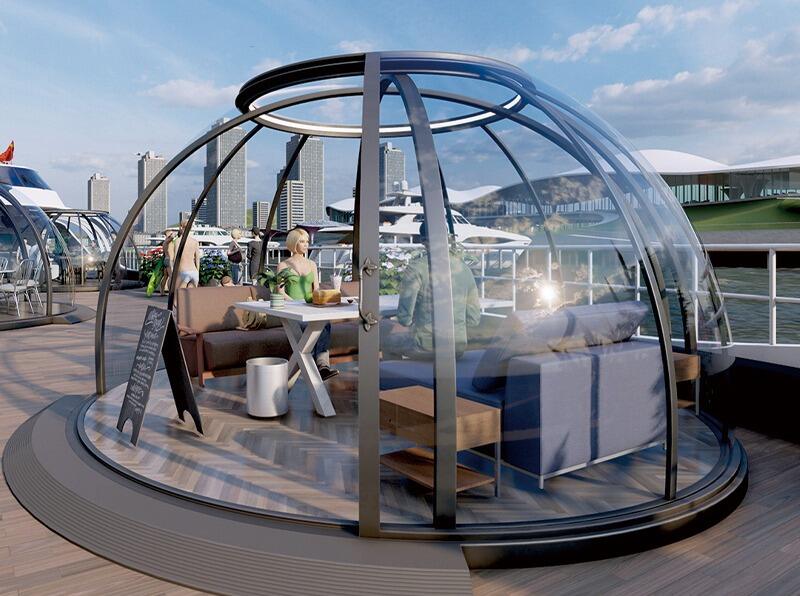
FAQ
What is the difference between a dome house and a traditional tent?
A dome house uses a rigid structural design with durable panels and frames, while traditional tents rely mainly on fabric materials. Dome structures generally provide stronger weather resistance, better insulation, and a more permanent accommodation experience.
Why are glamping domes becoming popular in outdoor hospitality?
Glamping domes provide a combination of nature connection and modern comfort. Their panoramic views, unique appearance, and year-round usability make them attractive for eco-resorts and luxury camping projects.
Can a dome house be used throughout the year?
Yes. A properly designed dome house can support year-round operation by providing protection from weather conditions and creating a more comfortable indoor environment compared with seasonal tents.
What materials are used in Sunkaer dome structures?
Sunkaer dome structures use high-quality polycarbonate panels with 10-year no yellowing performance and aluminum frames designed for 30-year no rust performance, providing durability and long-term reliability.
A dome house is more than an alternative to traditional camping accommodation. It represents a combination of architectural innovation, outdoor experience, and operational efficiency. For glamping operators looking to create memorable nature-based stays, Sunkaer provides customized dome solutions designed around durability, comfort, and long-term value.
Request a custom dome quote from Sunkaer to explore how a professionally designed dome structure can enhance your next outdoor hospitality project.